The Hidden Work Behind DIY Fencing: Digging and Ground Realities
Why DIY Fencing Looks Easier Than It Is
Modular fencing systems are marketed as straightforward. Panels slot together. Posts drop into holes. On paper, it looks like a clean weekend project.
What those instructions don’t show is where the real work sits. It’s underground.
The panels are predictable. The ground is not.
Excavation Is the Uncontrollable Variable
When pricing or planning a fence, digging post holes is the least predictable part of the job. You can walk a site and make an educated guess, but you never truly know what’s below the surface until the hole is started.
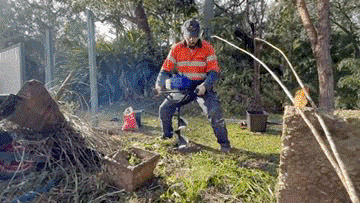
At one end of the spectrum, a motorised post hole auger cuts straight through soft loam or sandy soil. A 600 mm hole can take less than five minutes.
At the other end, that same hole can take close to an hour.
What Slows Digging Down
Several conditions can turn a simple hole into a slow, manual process:
- Hard clay baked dry by sun and lack of rain
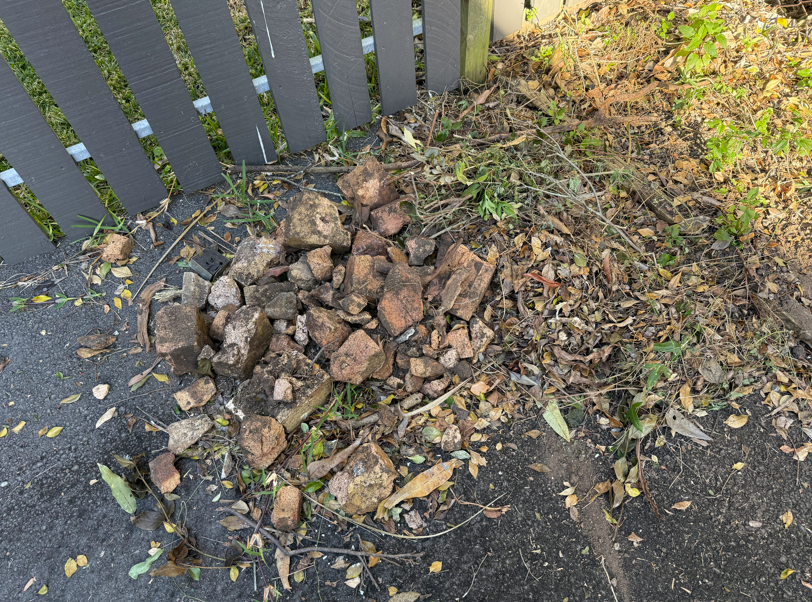
- Rocks and rubble, including buried bricks, concrete, or old footings
- Tree roots, especially from palms and established shrubs
- Unexpected services, such as stormwater pipes or conduits
When resistance is met, augers often become useless. Digging switches to hand tools. Progress becomes careful and incremental.
Especially when the hollow sound of a PVC stormwater pipe echoes back at you from 500mm deep.

Underground Services Change the Method
If a post lands near a stormwater line or other service, speed is no longer the priority. The hole must be hand-dug, gradually exposed, and adjusted to avoid damage.
This isn’t optional caution. Damaging buried services creates far bigger problems than a delayed fence install.
The hole may need to shift slightly impacting panel lengths. Depth and shape may need to change. All of that takes time.
Why This Matters for Cost and Scheduling
From the outside, it’s easy to assume fencing is priced per metre. In reality, labour effort per metre can vary dramatically depending on what’s encountered below ground.
Two fences of the same length can involve very different physical workloads. One progresses smoothly. The other fights every hole.
This is why excavation is the hardest part of fencing to fix into a neat formula.
The Value of Experience
Experience doesn’t make hard ground disappear. It does mean knowing when to switch tools, when to slow down, and how to adjust without compromising the fence line or safety.
Professionals plan for uncertainty. DIY installers often discover it mid-job, once time, energy, and daylight are already spent.
Planning With Realistic Expectations
If you’re considering DIY fencing, understand that the panels are the easy part. The digging sets the pace for the entire job.
Allow contingency time. Expect variation. And recognise that what looks simple above ground is often decided by what you can’t see below it.